
Square footage provides a clear idea of how much usable space is available, which is essential for planning layouts, estimating construction or remodeling costs, and determining property value. It also helps homeowners and renters make decisions about furniture placement, storage solutions, and overall functionality of a space.

Accurate measurement of square feet is especially important in real estate transactions, as it affects pricing, comparisons between properties, and even mortgage calculations. In construction and renovation, knowing the exact square footage helps professionals estimate materials, labor, and timelines more effectively, reducing the risk of costly mistakes.
1. Gather the Right Tools
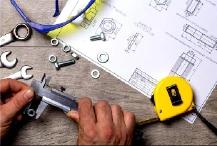
Before you start measuring, it’s important to have the proper tools. Common tools include a tape measure, laser distance measurer, graph paper, and a calculator. These tools help ensure accuracy, especially when measuring larger areas or irregularly shaped rooms. Having the right tools makes the process faster and reduces errors.
2. Measure Individual Rooms
Start by measuring each room separately. Measure the length and width of the room in feet (or meters if you prefer). For rectangular or square rooms, simply multiply the length by the width to get the square footage. For example, a room that is 12 feet long and 10 feet wide has a square footage of 120 square feet.
3. Handle Irregularly Shaped Spaces
Not all rooms are perfectly rectangular. For L-shaped rooms or other irregular layouts, divide the space into smaller rectangles or squares. Measure each section individually, calculate its square footage, and then add the areas together to get the total square footage of the room.
4. Include Hallways, Closets, and Other Usable Areas
When calculating square footage, consider all usable areas, including hallways, closets, and built-in storage spaces. These areas contribute to the overall functionality of the home and should be included in the total square footage.
5. Exclude Non-Livable Spaces
Certain areas, such as garages, unfinished basements, or open patios, are often excluded from official square footage calculations. Make sure you know whether you need total gross area or only livable space, as this distinction can affect property listings and valuations.
6. Calculate the Total Square Footage
After measuring all individual rooms and including relevant areas, sum them up to get the total square footage of the property. Double-check your calculations to ensure accuracy. Using a calculator or spreadsheet can help avoid errors, especially for larger homes.
7. Verify with Professional Methods if Needed
For official purposes, such as real estate listings or legal documentation, it may be worth having a professional measure the square footage. Licensed appraisers and surveyors use precise methods to ensure measurements meet local standards and regulations.
8. Tips for Accuracy
- Measure twice to avoid mistakes.
- Round measurements consistently, either up or down, to maintain uniformity.
- Keep a diagram or sketch of each room with measurements noted for reference.
- Use laser measurers for large or complex spaces—they are more accurate than traditional tape measures.
These steps ensure that you can calculate square footage confidently, whether for personal planning, real estate purposes, or construction projects. Accurate measurements give you a clear understanding of space and allow you to make informed decisions.
Conclusion
Calculating square footage is an essential skill for homeowners, renters, and real estate professionals alike. Knowing the size of your rooms and property helps with planning layouts, estimating costs, and making informed decisions about buying, selling, or renovating. By using the right tools, measuring carefully, and accounting for all usable areas, you can ensure your calculations are accurate and reliable.
While measuring square feet can seem straightforward, paying attention to irregular shapes, closets, and hallways ensures you capture the full usable space. For official purposes, professional measurements may be necessary, but for most personal projects, following these steps provides a clear and practical understanding of your space.
Ultimately, mastering how to get square feet gives you confidence in managing your home or property, helps maximize the functionality of your space, and supports smarter planning and design decisions.